
CREATIVE
ECOLOGIES
LIVE & ONLINE GUEST PANEL + Q&A
Learn about the intricacies of diverse habitats with insights from those who are dedicated to working closely with each region, from artist to biologist, farmer to astronaut.
We will be learning about the creative ecologies of these habitats through a kaleidoscope of perspectives in order to better develop our communication and creative collaboration with Land, Sea & Sky.

DISCUSSION · IDEAS · CREATIVE PRACTICES · Q&A · COMMUNITY · THEORY · PHILOSOPHY · OPPORTUNITY
DESERTS
RURAL & GARDENS
WATER & MARSHLAND
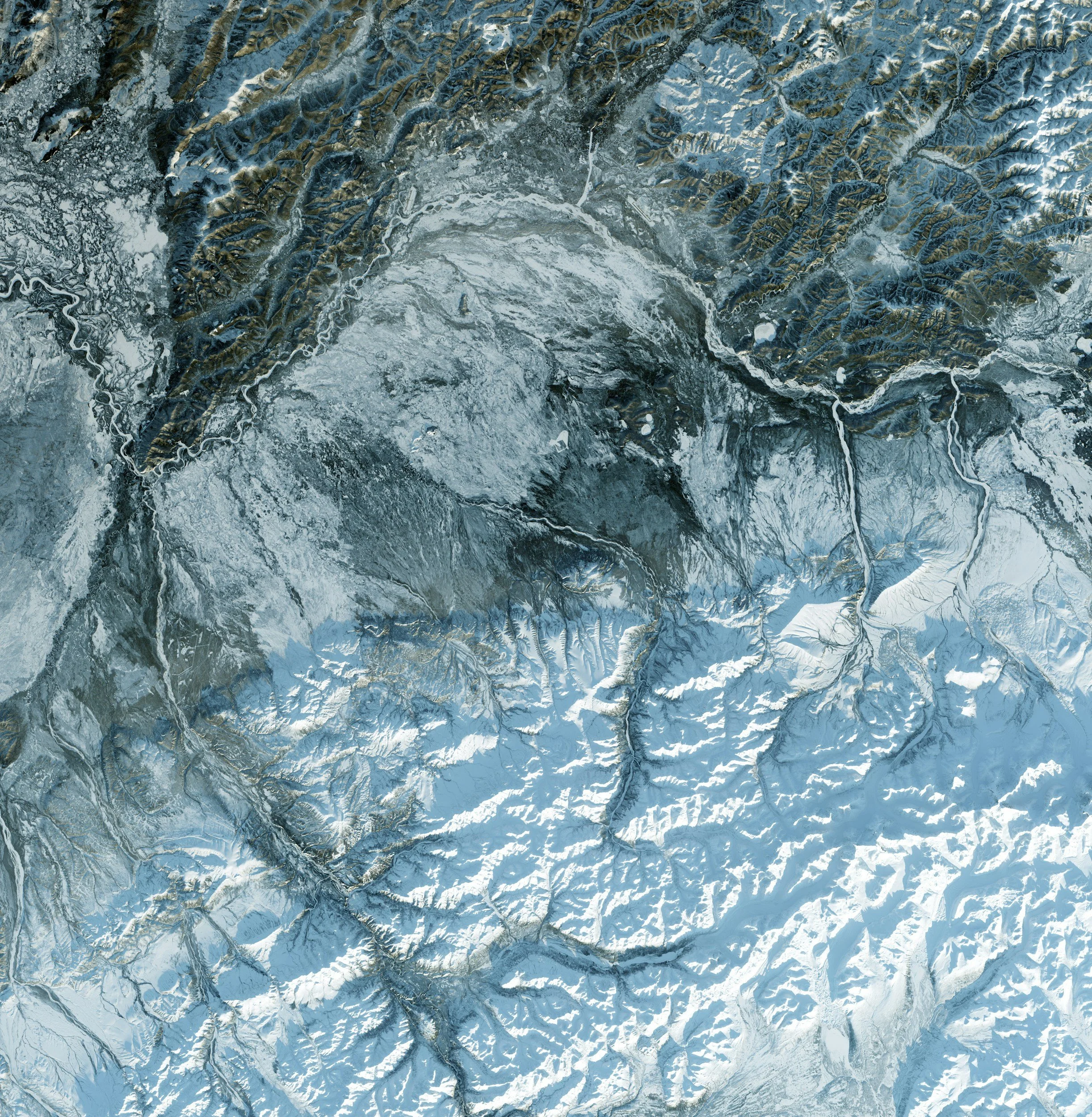
SPACE
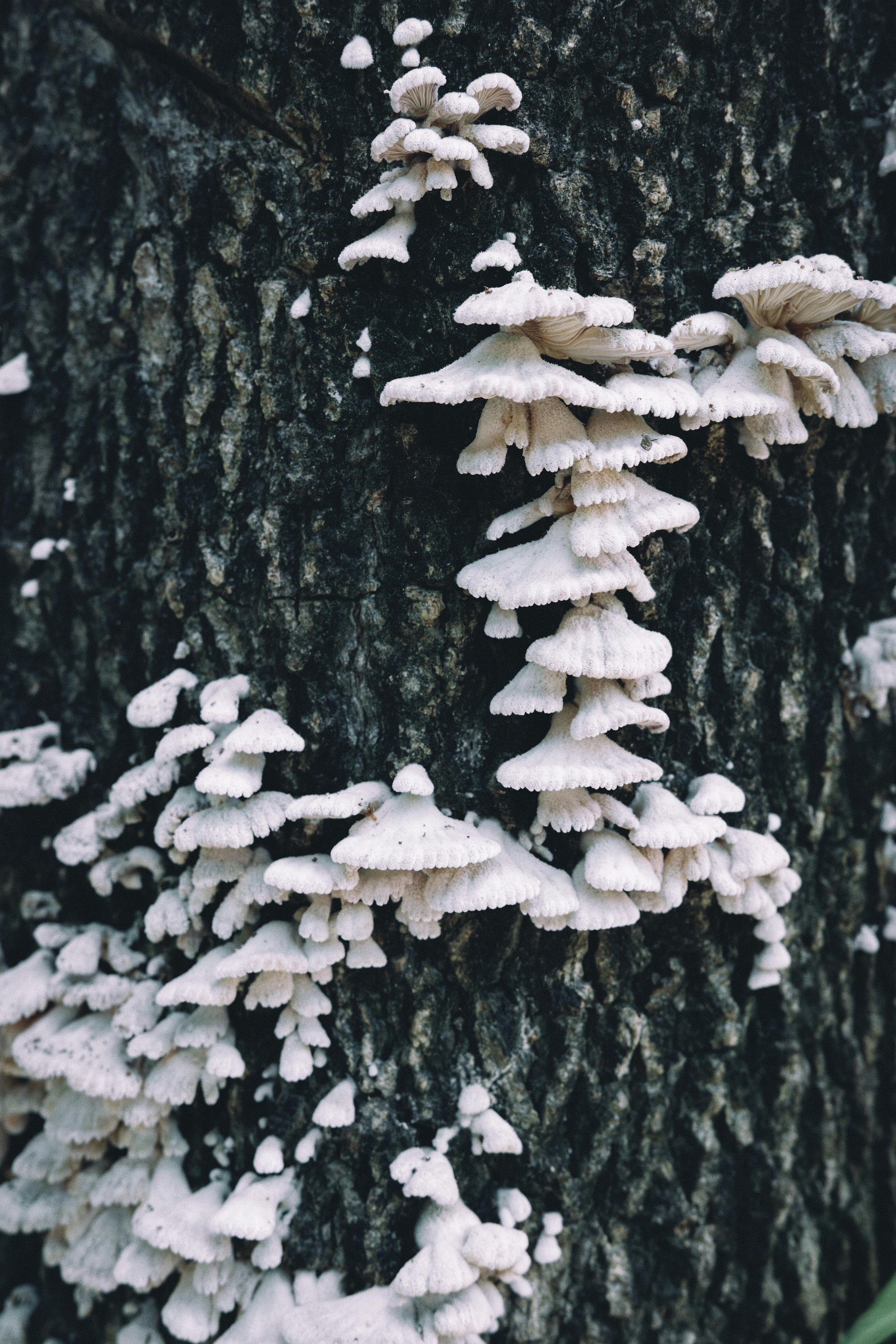
FORESTS & FUNGI
ICE LANDS

JOIN US:
FULL SERIES
ACCESS ALL TALKS
SINGLE TALK
Panel Guests:
-
![]()
Lara Orawski
-
![]()
Poppy Okotcha
-
![]()
Marian Boswall
-
![]()
Angel Chen
-
![]()
Kelly Herbinson
-
![]()
Sanjeev Gupta
-
![]()
Joseph Orpen
-
![]()
Maria Westerberg
-
![]()
Etelle Higonnet
-
![]()
Tony Spencer
-
![]()
Dr Erin O'Donnell
-
![]()
Jana Nicole
-
![]()
Dr Grace Cott
-
![]()
Pella Thiel
-
![]()
Lynda Laird
-
![]()
Dr Elli Groner
-
![]()
Erika Blumenfeld
-
![]()
Christian P.I
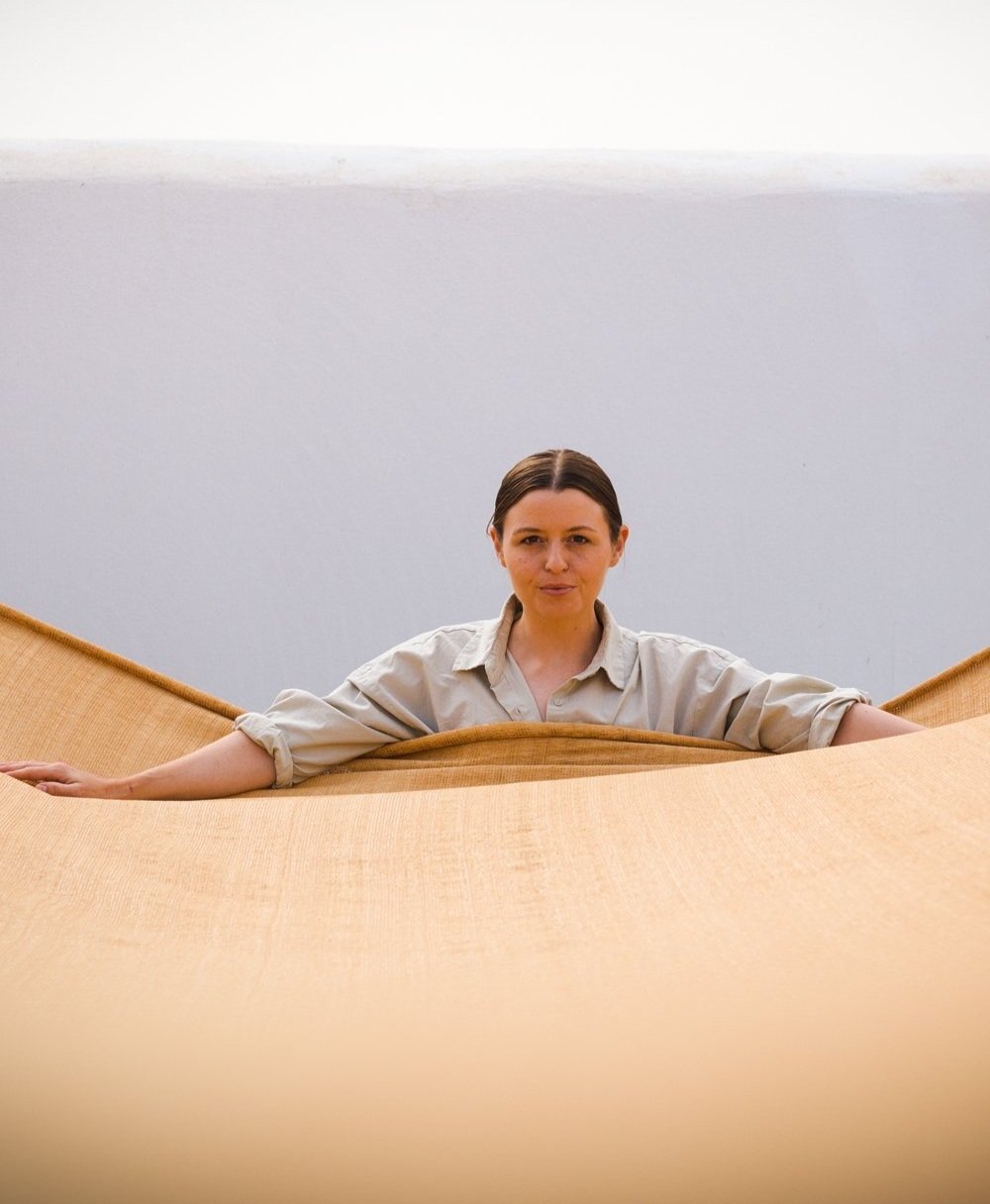
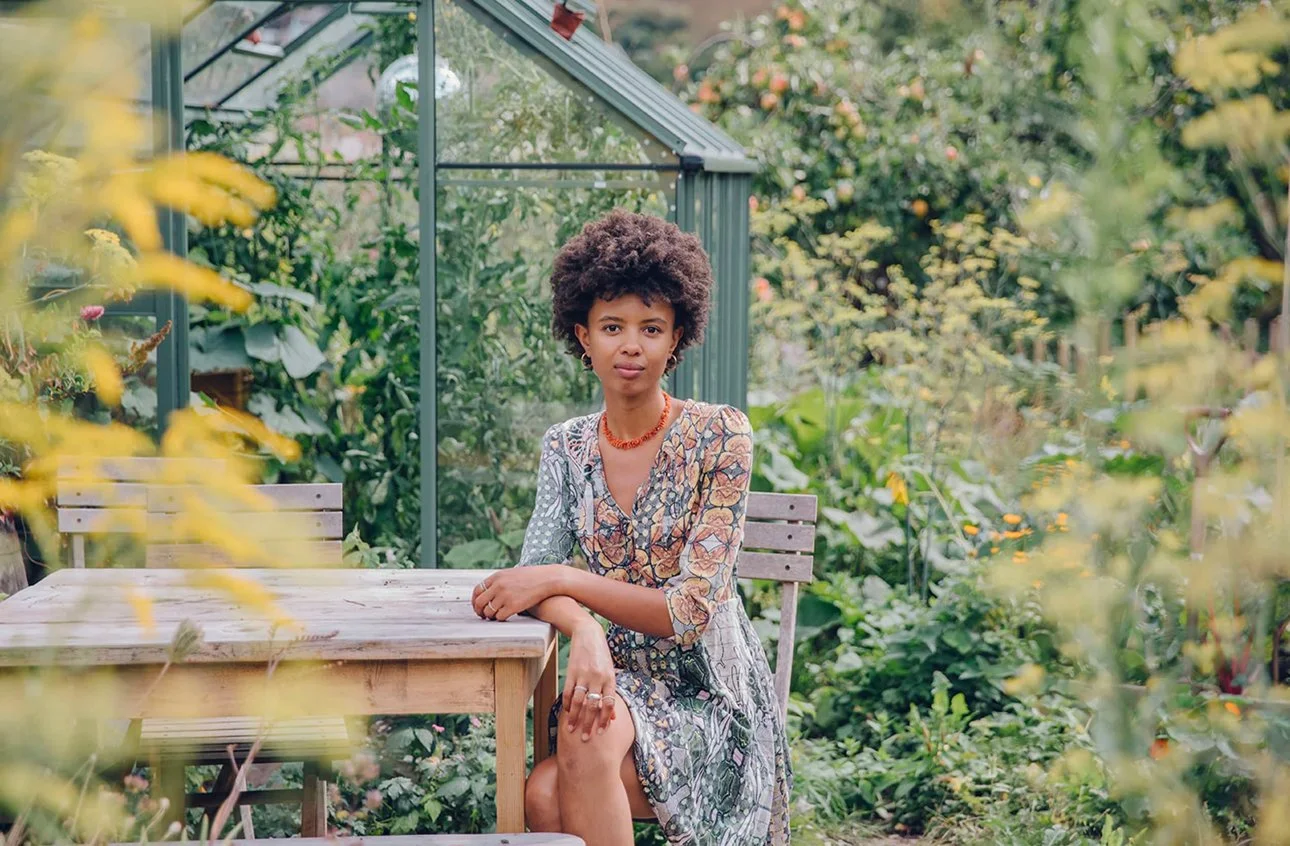

Forests
& Fungi.
December 7th 10am (GMT)
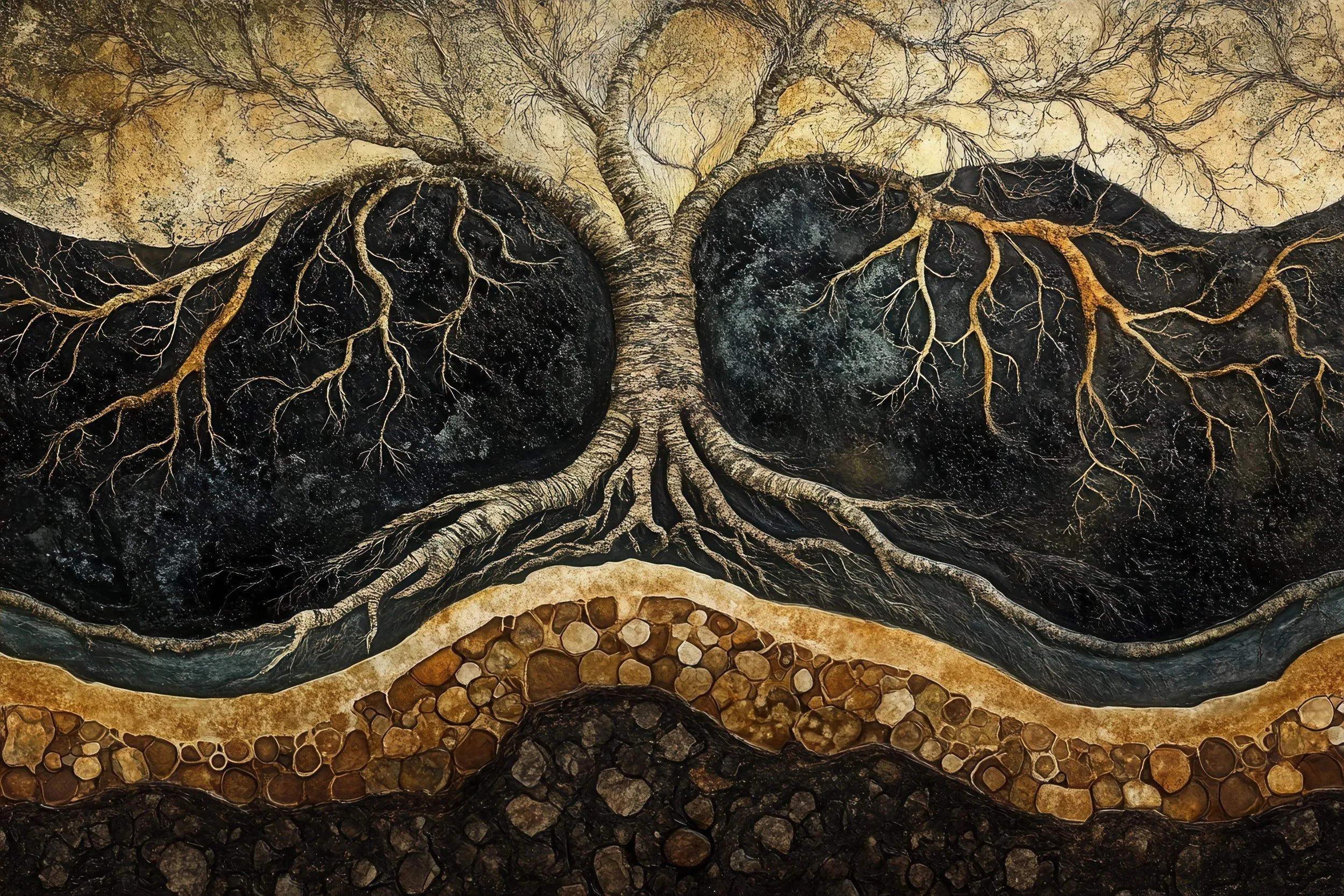
This session delves into these tapestries of communication and transformation, where science meets story and decay becomes a form of creation. We’ll explore the sublime intelligence of fungal systems ~ those rooted, mycelial communities that hold lessons in cooperation, restoration and adaptability as well as looking at the forests and tree habitats that nurture such ways of being.
Beneath our feet lies a hidden web of life ~ mycorrhizal networks that weave forests into communities, trading nutrients, warning of danger, and sustaining interspecies collaboration. At the same time, fungi are adapting to human excess, evolving to break down plastics and pollution, quietly rewriting our assumptions about waste, resilience, and survival.
Our guests bring diverse lenses to this subject:
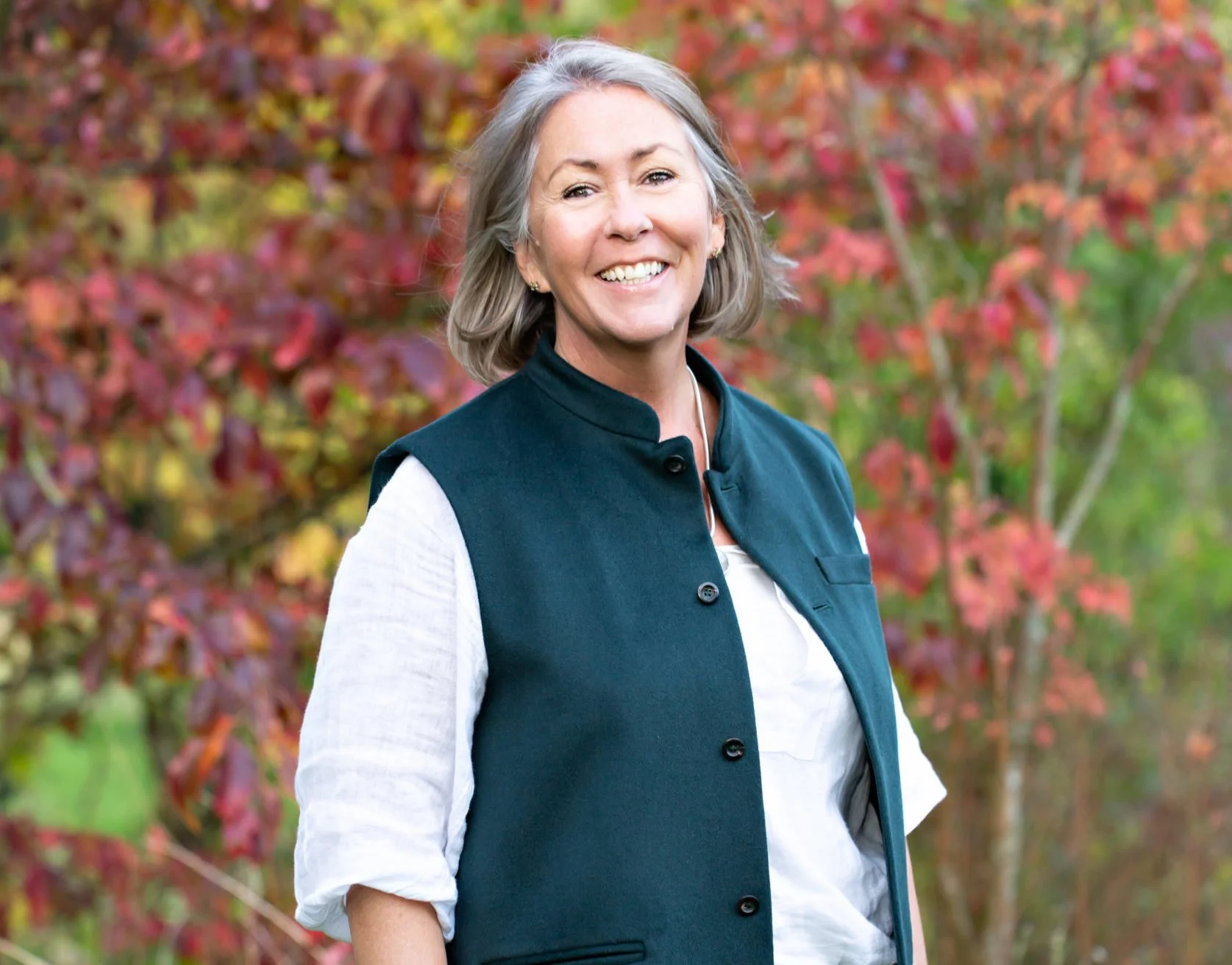
Etelle Higonnet @higonnetetelle Etelle Higonnet, attorney and environmental activist, has worked at Mighty Earth, National Wildlife Federation, Greenpeace, Amnesty International, and Human Rights Watch, as well as two war crimes courts. She was knighted as a Chevalier de l’ordre national du Mérite for her pioneering efforts to curb deforestation.
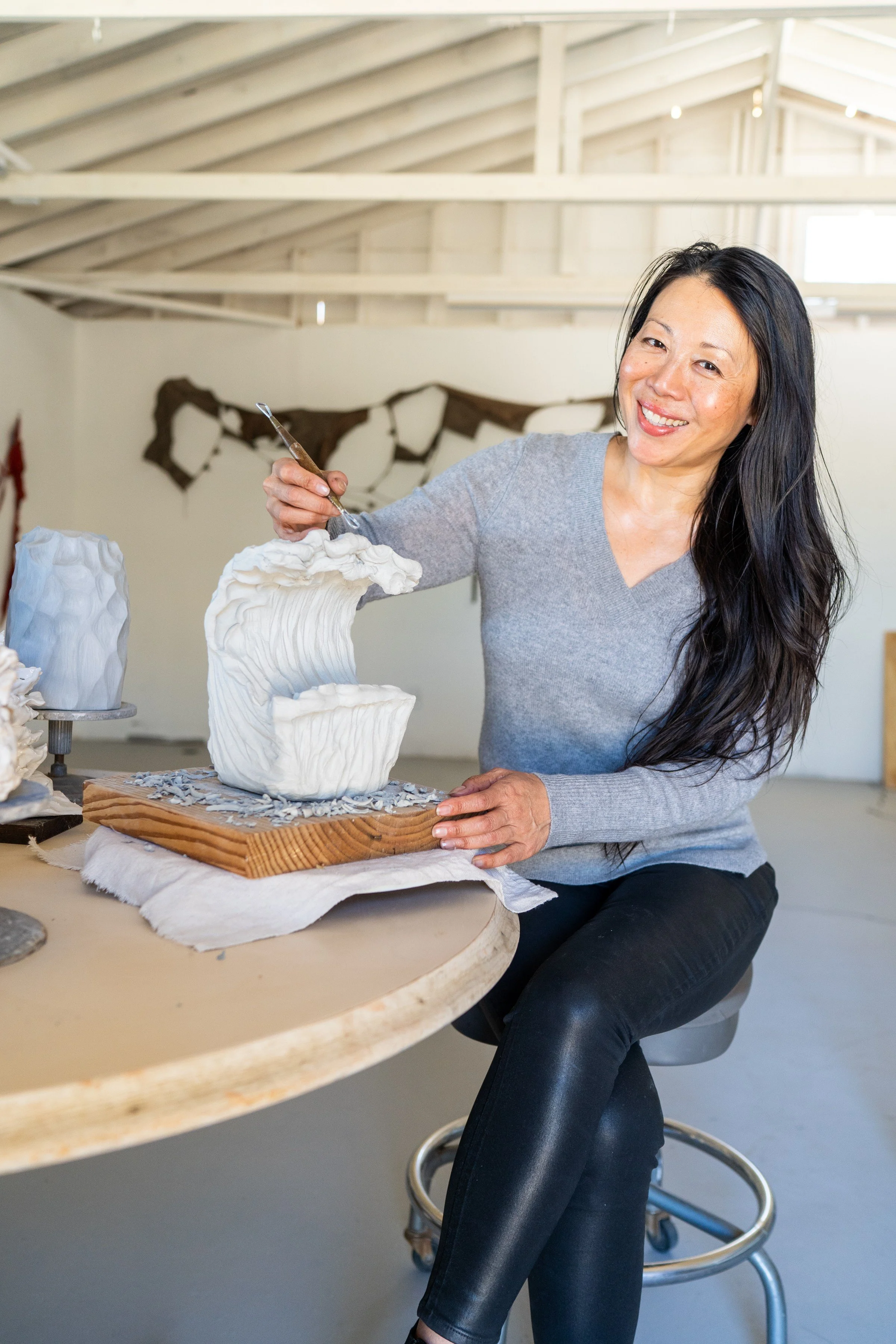
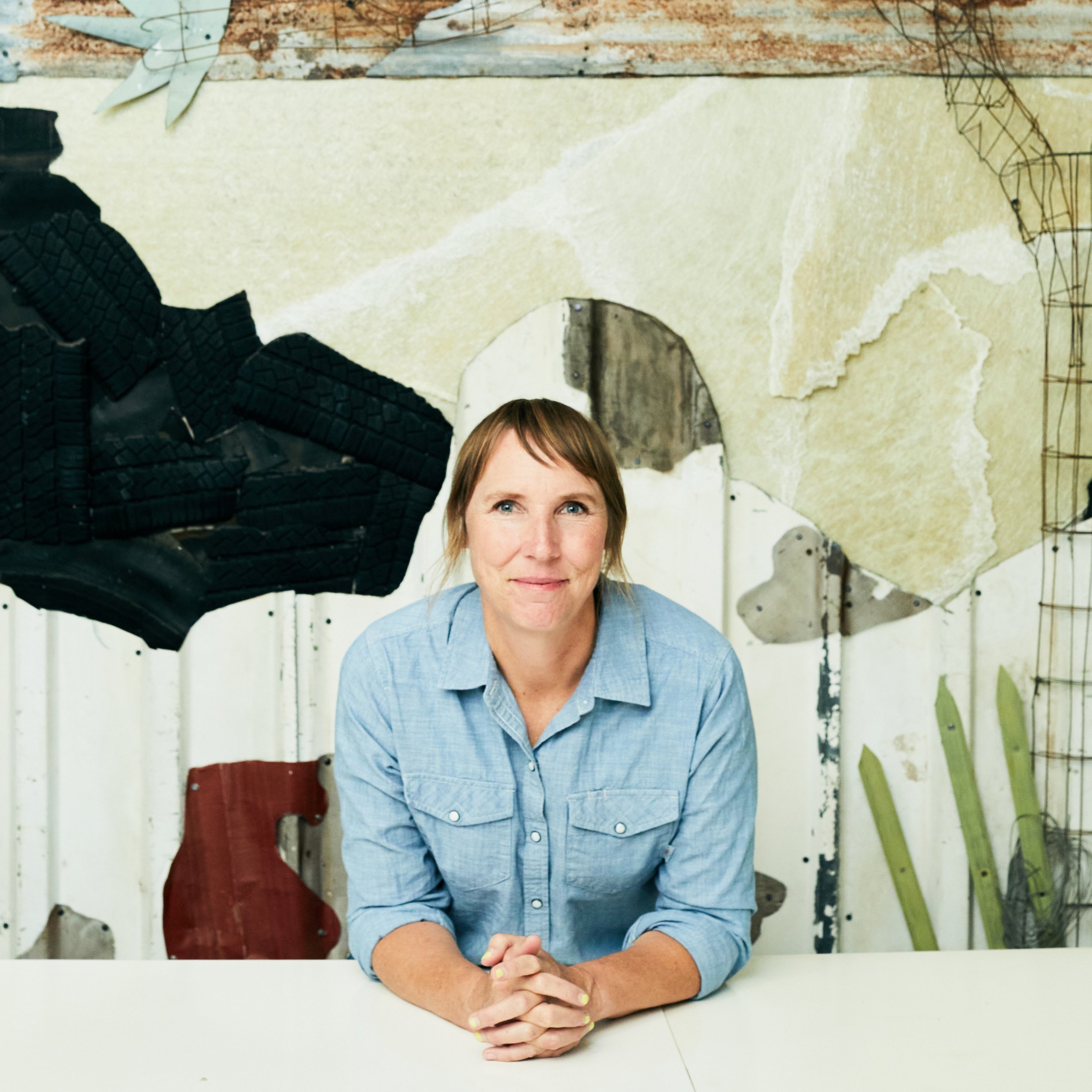
Jana Nicole visual artist known for her intricate mixed media works, maps out speculative ecosystems, blending biology, mythology and material culture to imagine what our entangled futures with fungi ~ and plastics ~ might look like.
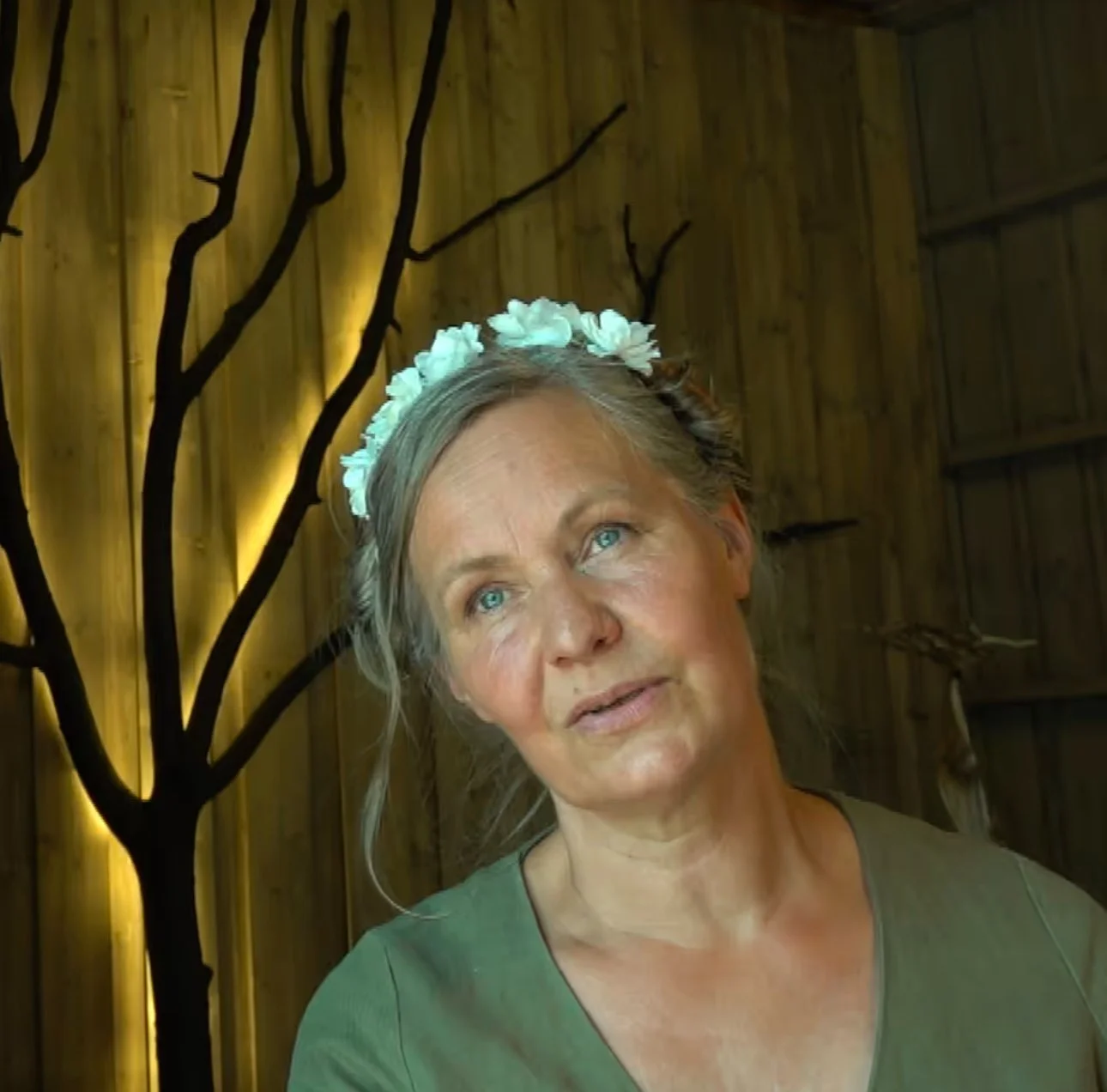
Maria Westerberg, eco-artist and storyteller, works with found forest materials and fungi to explore the blurred boundary between humour, grief and nature’s wisdom, reminding us that the forest is alive with both memory and mischief.
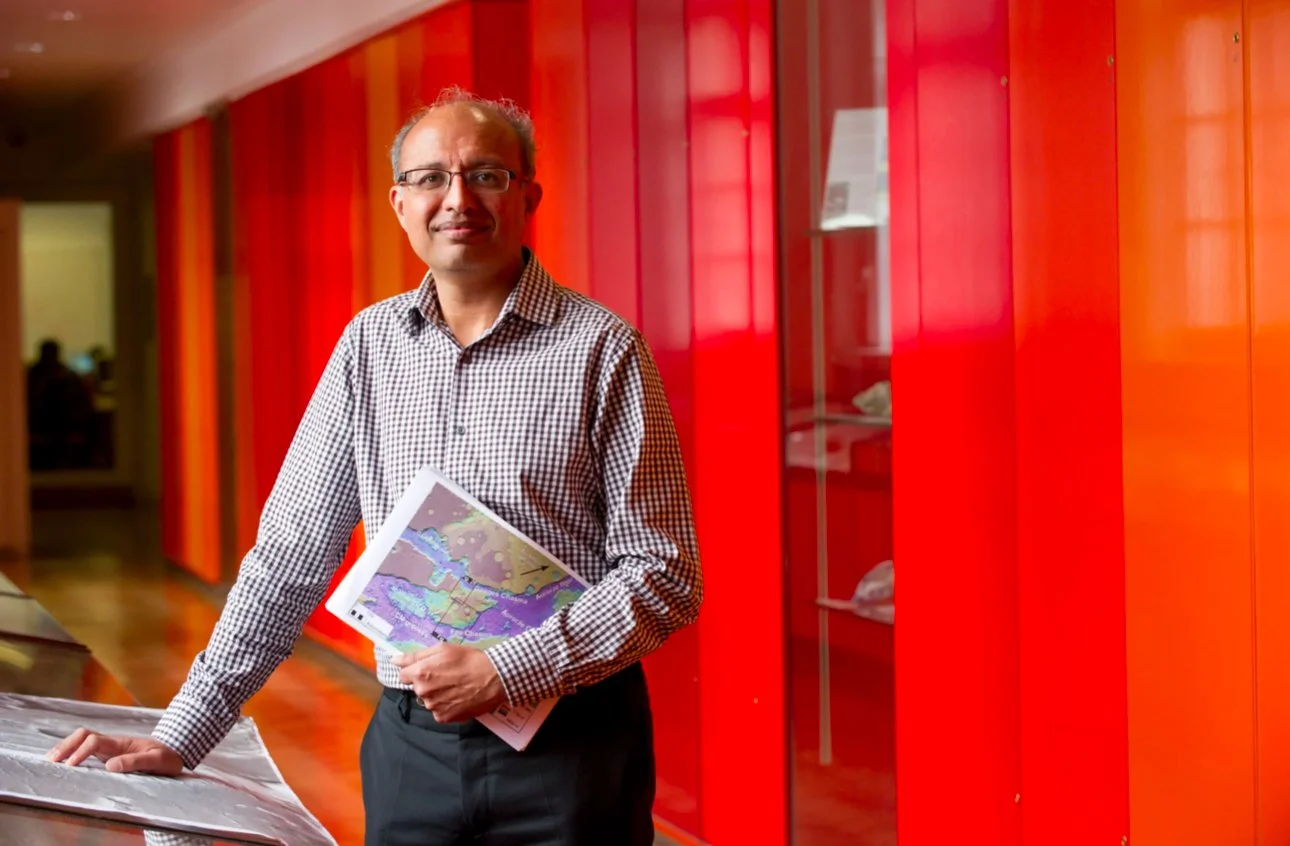
Prof. Vincent Gauci is a Birmingham Professorial Fellow in the School of Geography, Earth and Environmental Sciences. He is interested in the biogeochemistry of carbon-dense terrestrial ecosystems such as forests, wetlands, peatlands, and forested wetlands and peatlands. Our guests bring diverse lenses to this living subject:
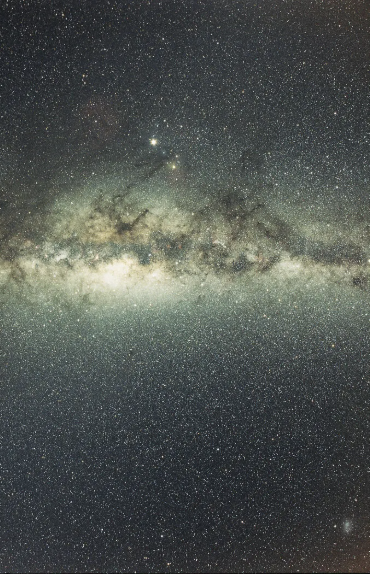
Space.
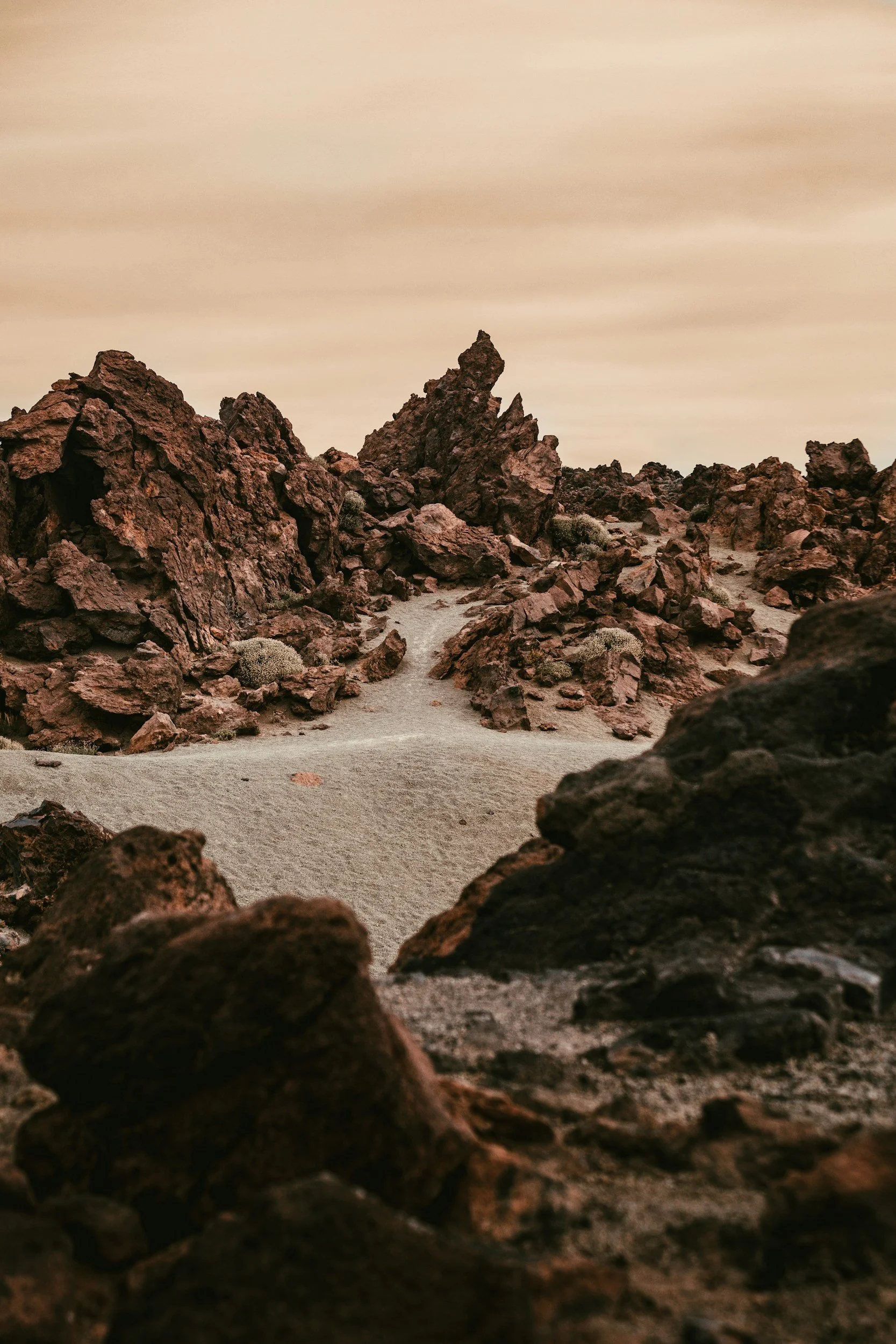
Today, most of humanity can picture the surface of Mars ~ its ochre plains, dust storms, and ancient riverbeds ~ despite fewer than 600 humans ever having travelled beyond Earth’s atmosphere. This speaks not only to our curiosity, but to the power of photography and data in shaping planetary consciousness. As telescopes, orbiters, and rovers beam images back across space, it is through the lens ~ both literal and conceptual ~ that the galaxy enters the human imagination.
At the heart of this conversation is the camera as a kind of black hole: a device that absorbs light and time, compresses reality, and returns a fragment that can be decoded, debated, and even dreamed from afar.
In this dialogue, we are joined by three remarkable voices whose work crosses the terrain between image, matter, and meaning:
Lynda Laird, Lynda Laird is a documentary photographic artist whose work interweaves research, archival material, photography, moving image and sound. Her practice is centered on exploring the materiality of landscapes, often employing camera-less techniques and integrating materials directly sourced from these environments to create images that physically embed traces of the landscapes' history and essence into the work.
Professor Sanjeev Gupta, planetary geologist and science team member on NASA’s Perseverance mission, whose work has been central to interpreting the Martian surface, decodes the sedimentary language of other worlds ~ transforming pixels into geological stories billions of years old.
Erika Blumenfeld, artist and Creative & Photography Lead for the Advanced Imaging & Visualization of Astromaterials (AIVA) at NASA, Erika bridges the poetic and the empirical. Her work translates scientific data, moon rocks, and light itself into visual language ~ engaging space not as a distant realm, but as part of Earth’s extended ecology.
Together, they invite us to consider: What does it mean to see a planet we’ve never touched? What truths ~ scientific, political, poetic ~ are embedded in the act of imaging space? And how do these images reshape our sense of Earth, time and the future?
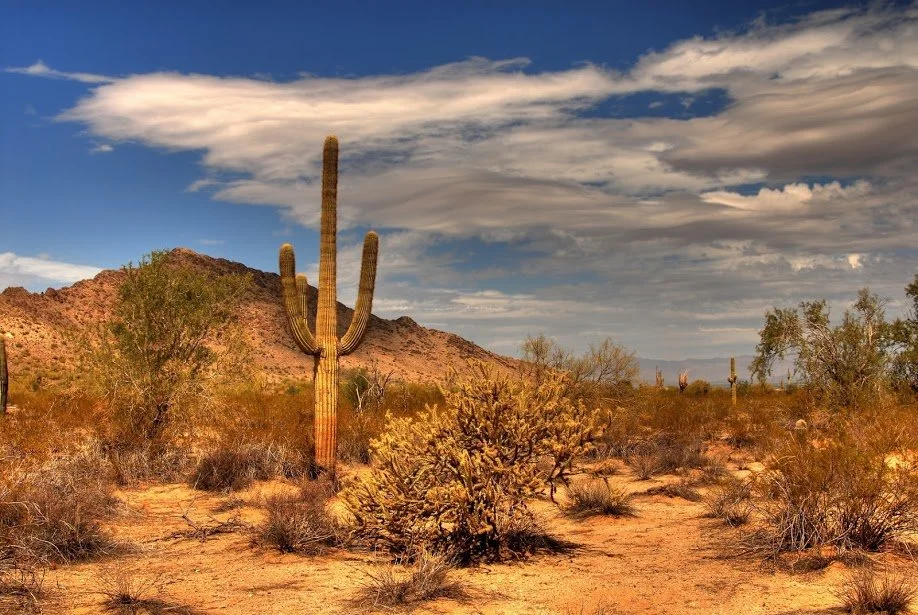
Deserts.
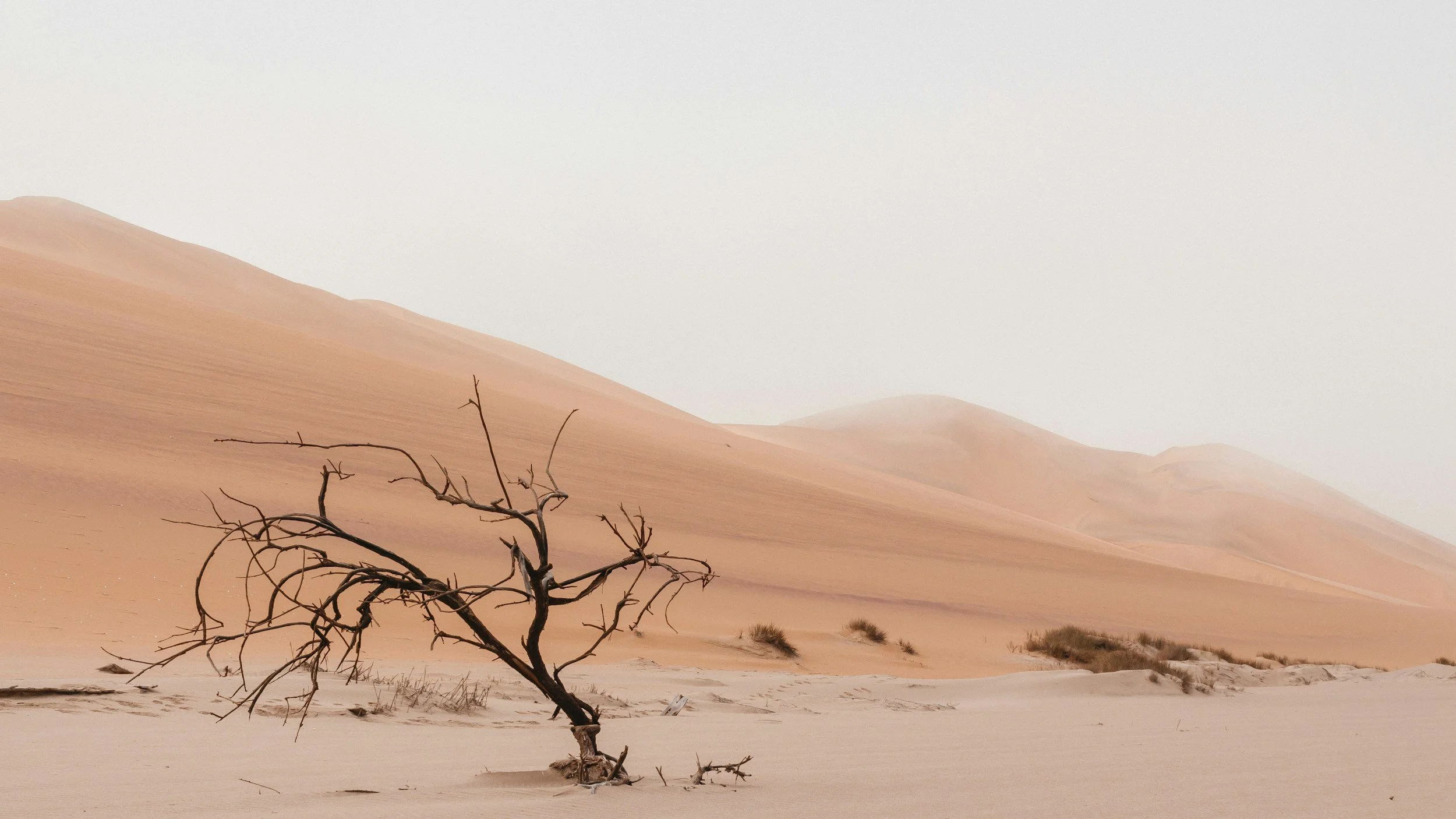
Drylands have so much to teach us about resilience and adaptation during changing and challenging times.We will be exploring and revealing the multifaceted possibilities revealed in such places. Often seen as barren or lifeless, drylands are in fact ecosystems of profound complexity ~ shaped by scarcity, tuned to survival and rich with adaptive wisdom. In these landscapes, life has evolved to flourish under extremes, offering us models for resilience in a time of global ecological uncertainty. Their rhythms challenge dominant narratives of productivity and permanence, inviting us to learn from forms of life that thrive through minimalism, cooperation, and deep attunement to place.
In this session, we’ll uncover the multifaceted possibilities held within drylands ~ not only as ecological systems, but as cultural, political, and symbolic terrains that are increasingly important in our warming world.
Our guests bring diverse and illuminating perspectives to these often-misunderstood landscapes:
Dr Elli Groner, ecologist and long-time researcher of arid ecosystems, reveals the intricate relationships that sustain biodiversity under pressure, from soil crusts to flowering pulses ~ showing how fragile systems can hold great strength.
Kelly Herbinson, conservationist and advocate for desert protection, explores how science, storytelling, and stewardship converge in drylands ~ highlighting community-led efforts to defend these lands against extractive threats.
Angel Chen, artist and designer, brings a creative lens to aridity, exploring how aesthetics, perception, and adaptation intersect in dryland spaces ~ and how these environments can inspire new approaches to design, memory, and material culture.
Part 1 of our 6 part series
Ice Lands.
RECORDING AVAILABLE
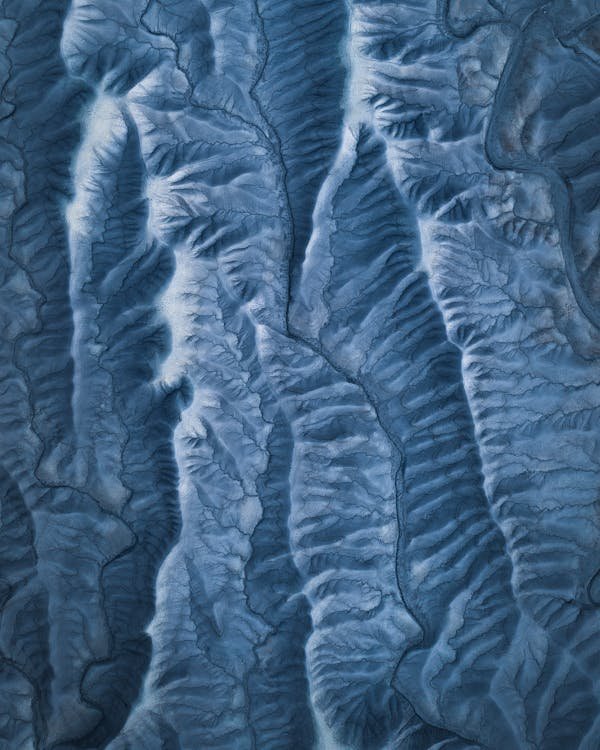
Explore Ice Lands and the experiences they hold within each crystal, how snow can blanket the world anew and create a warm cocoon as it freezes. It has been evidenced that emotions can be frozen in water ~ what does this hold with so much ice now melting? What long sleeping worlds are being awoken as others are laid to rest? Part of the unravelling of the tapestry or perhaps new worlds to guide our futures?
We will be exploring these lands in sight of Geopolitical considerations and Indigenous rights and experiences; exploring Ice Lands as living, shifting geographies where climate crisis, memory, and political power converge ~ landscapes that challenge us to reckon with the unravelling of old tapestries and the potential birth of new ones.
We are joined by three practitioners immersing themselves in these landscapes:
Lara Orawski, environmental scholar and advocate for multispecies justice, explores the entanglements of water, soil, waste, and extractivism ~ asking how systems of care and accountability might emerge from the very elements in flux.
Apostolos Tsiouvalas, legal researcher specialising in Arctic and Indigenous rights, reveals how melting ice is reshaping not only landscapes but international law, sovereignty, and Indigenous lifeways ~ demanding new models of justice and governance.
Planetary Intimacies is an artistic exploration of landscape as a fragile and ever-changing system – through painting, research, and poetic gestures.
Together, they will guide us through the emotional and geopolitical terrain of ice ~ asking how the cryosphere can speak, what it remembers, and how it might guide us toward more intimate, reciprocal futures.
Part 2 of our 6 part series.
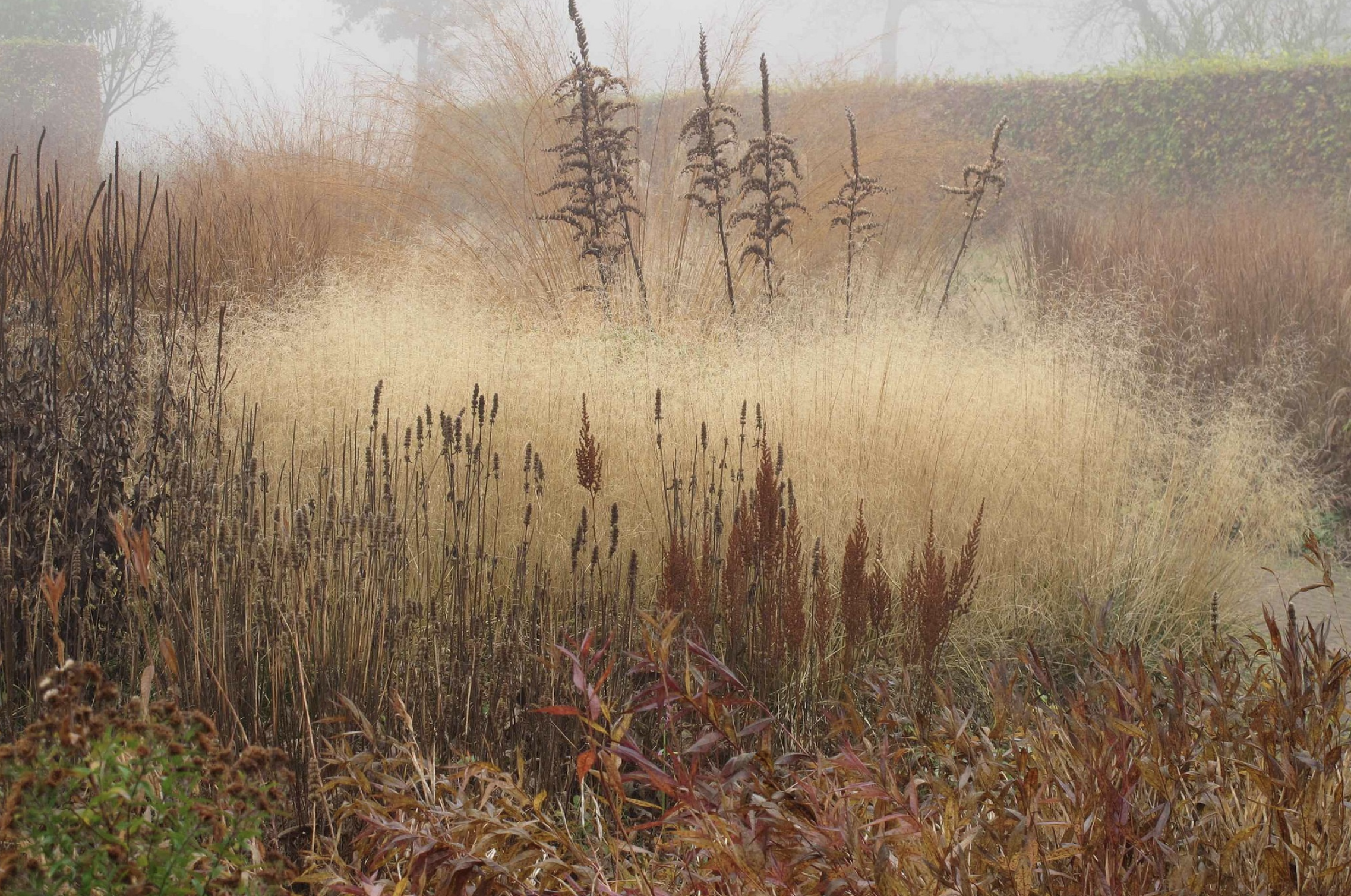
Rural &
Gardens.
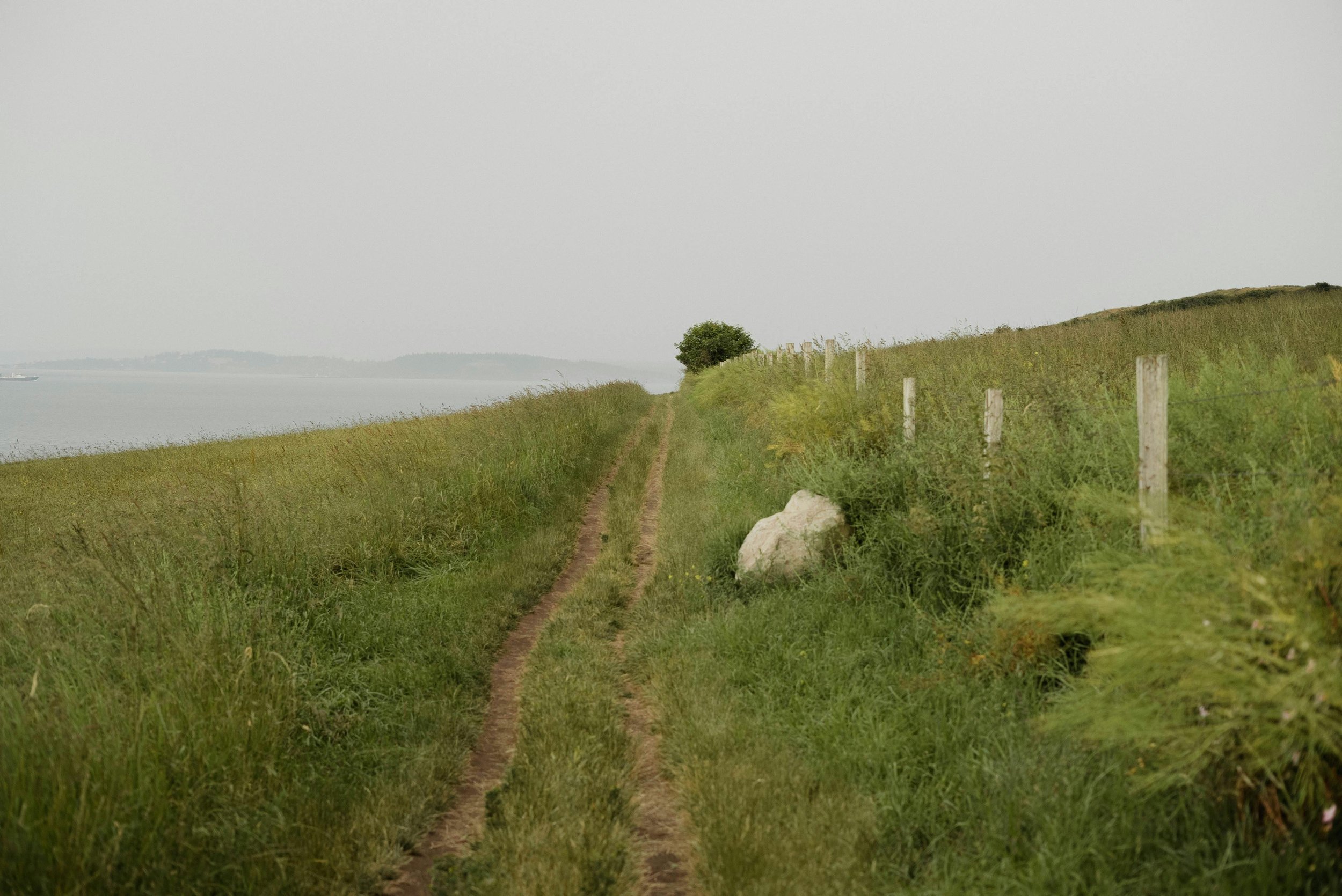
From the vital craft of hedge laying to the intuitive & scientific practice of water divination, the rural landscape is inscribed with knowledge ~ not just ecological, but cultural and ancestral. Gardens and fields, often perceived as ordinary, reveal extraordinary layers of meaning when viewed through the lenses of story, stewardship, and sensory connection.
These are not passive spaces; they are active participants in our lives ~ shaping identity, holding memory and offering resilience in a time of environmental change.
In this conversation, we’ll unearth the practices, symbols and visions embedded in gardens and rural landscapes, exploring how they can be spaces of both deep rootedness and radical imagination.
Our panel brings together four distinct voices, each cultivating a different form of knowledge from the land:
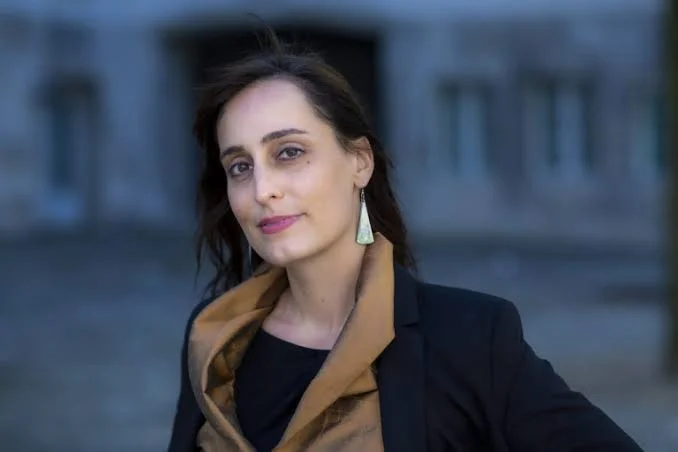
Marian Boswall, landscape architect and historian, draws upon landscape as legacy, weaving ecological restoration with ancestral memory and the ethics of care.
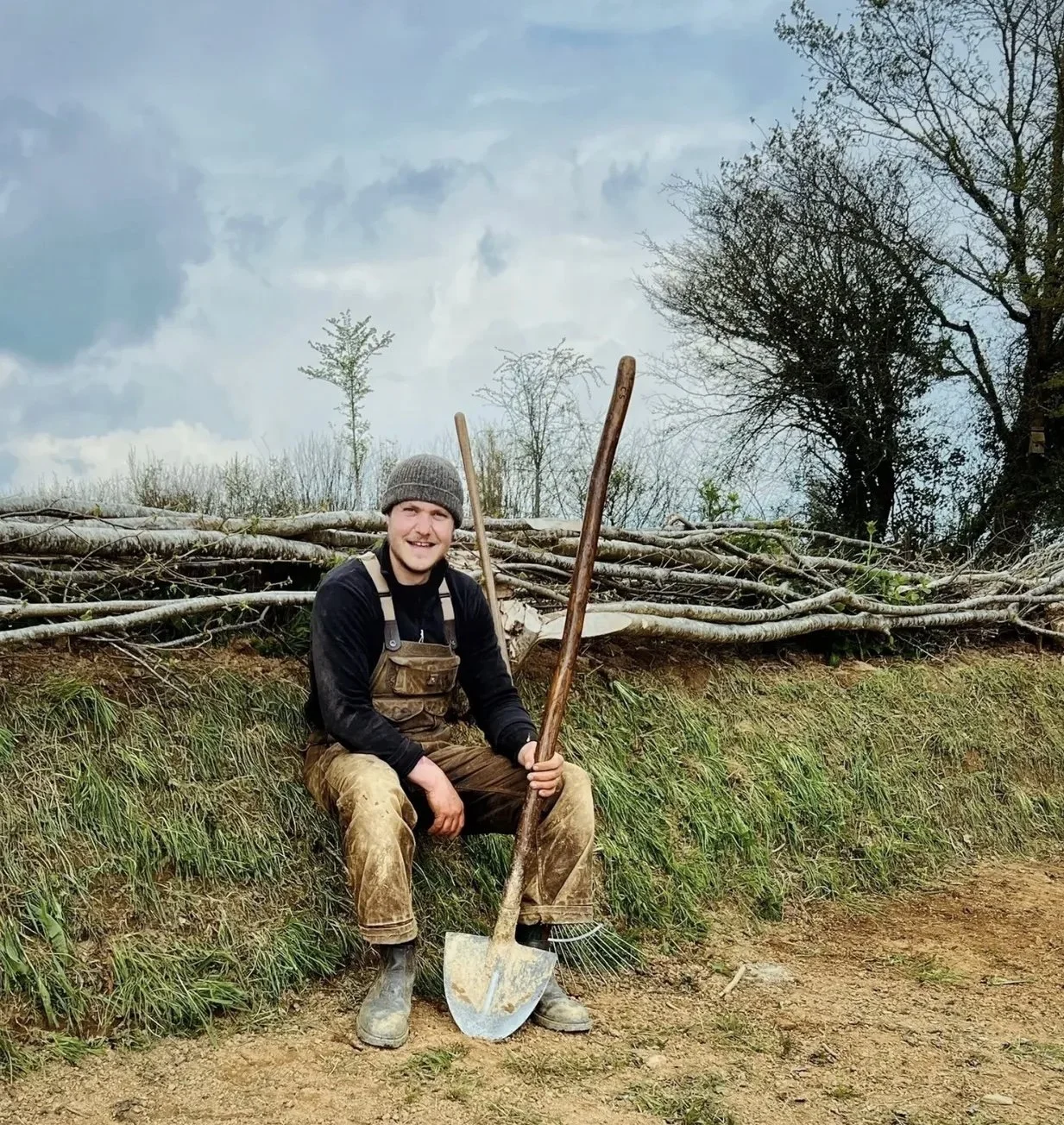
Joseph Orpen, traditional hedge layer and rural skills practitioner, brings the art of the living boundary to life ~ showing how ancient techniques can restore both land and community.
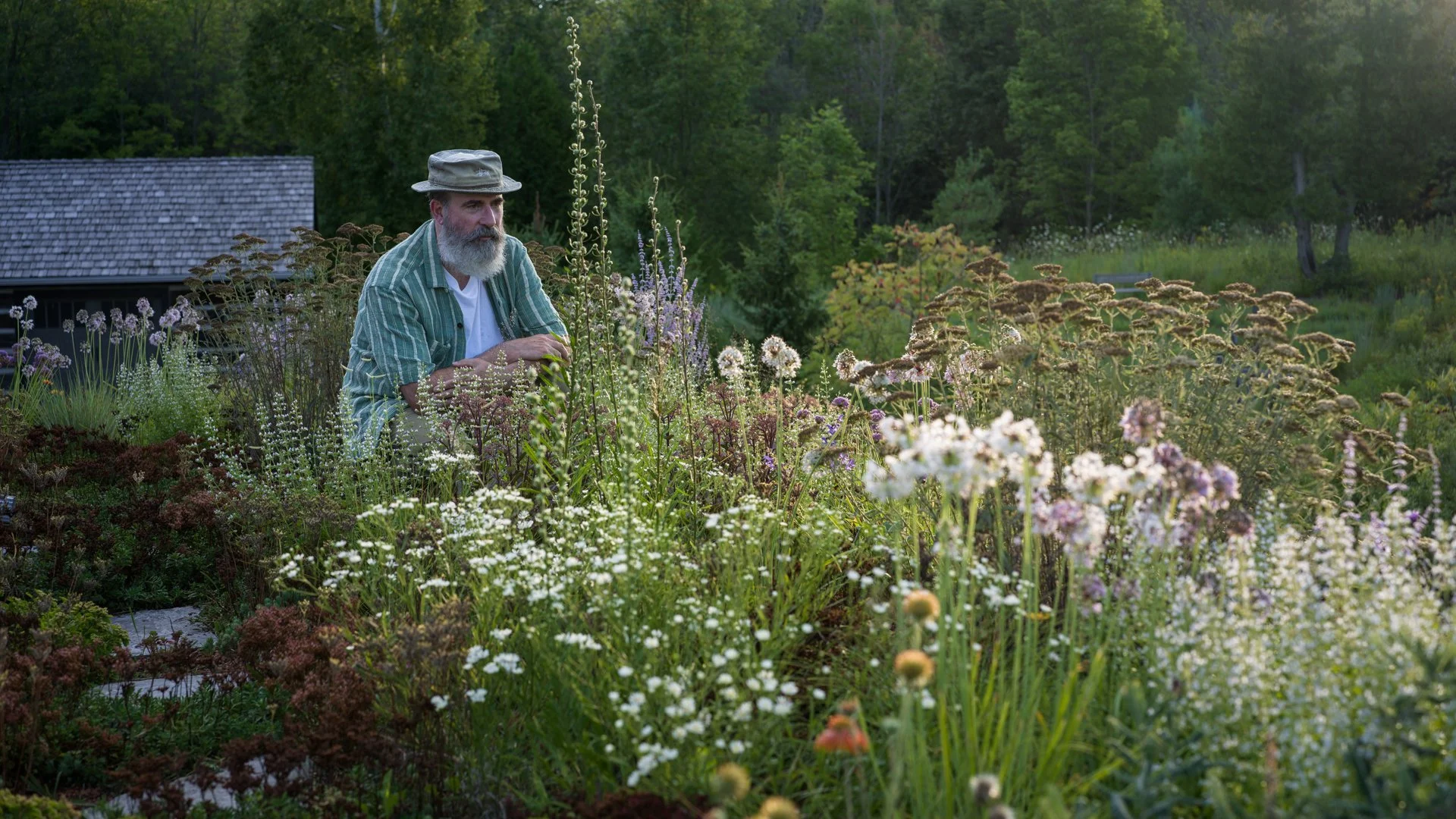
Tony Spencer, planting designer and visual storyteller, explores gardens as immersive ecosystems, blurring the boundary between naturalistic planting and emotional experience.
Poppy Okotcha, grower, educator and advocate for land justice, reimagines the garden as a site of healing, empowerment, and reconnection ~ a place where soil, self, and society meet.
Together, they invite us to see again — to walk familiar paths with new attention, and to consider how tending the land means tending our collective futures.
Part 3 of our 6 part series.
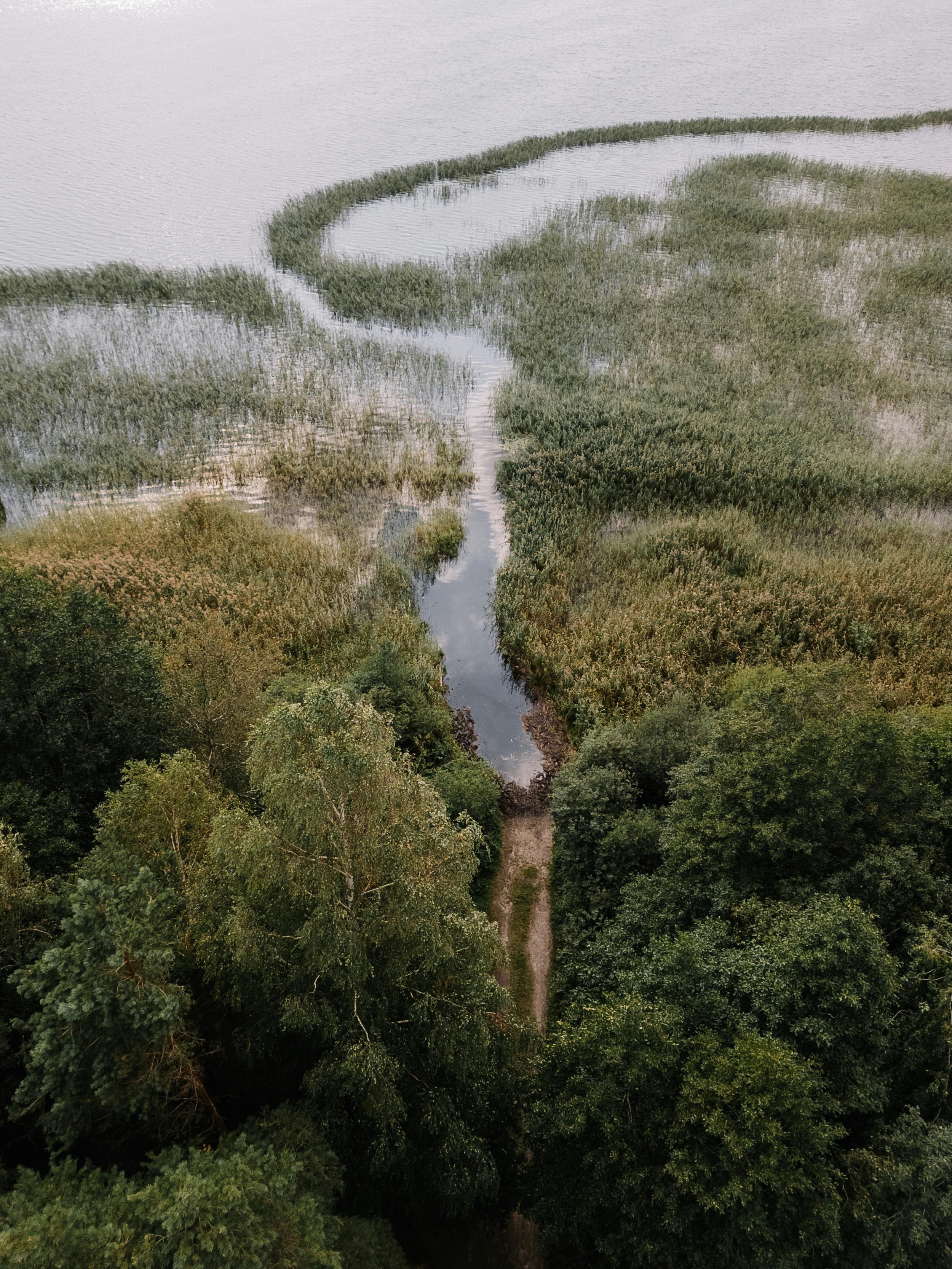
Waters &
Marshland.
In water the world is narrated by the current. The current is visible. Fish swim like birds in murmurations. So waves sync our bodies to the rhythm of Earth.
Water teaches us how to move, how to listen, how to connect. It reminds us that the Earth is not fixed, but always in motion ~ shifting, swelling, circulating life.
From marshland restoration to the legal personhood of rivers and oceans, this conversation explores what it means to see water not as a resource, but as a living system with agency, memory, and rights.
We are honoured to welcome three visionary voices whose work reimagines our relationship with the aquatic world:
Dr Erin O’Donnell, water law scholar and global pioneer in the movement to grant legal rights to rivers, brings insight into how law can evolve to recognise water as a living entity rather than a commodity.
Dr Grace Cott, ecologist and expert in wetland carbon dynamics, reveals the delicate and powerful role of marshes and peatlands in regulating climate, biodiversity, and water quality ~ landscapes where life and death cycle visibly in the tide.
Pella Thiel, ecophilosopher and co-founder of the Rights of Nature Sweden, advocates for ecocentric governance and Earth jurisprudence, inviting us to imagine legal systems built not on dominion, but on reciprocity and respect.
Together, they will guide us in asking: What does water know that we have forgotten? The role of wetlands in climate conversation? And how might recognising the rights of water change our future?
Part 4 of our 6 part series.
What suits you best?
please contact us if you require subsidised prices
Feedback from our Talks
